Mastering 4th of July Bow Clipart for Professional Patriotic Designs
The Fourth of July is one of the most visually vibrant holidays in the United States, characterized by bold reds, whites, and blues. For designers, crafters, and small business owners, this season presents a massive opportunity to create patriotic merchandise, digital content, and party decor. At the heart of many successful designs this season is high-quality 4th of July bow clipart. However, simply downloading an image is not enough to guarantee a professional result. Many creators overlook critical technical details that can ruin a project before it even begins.
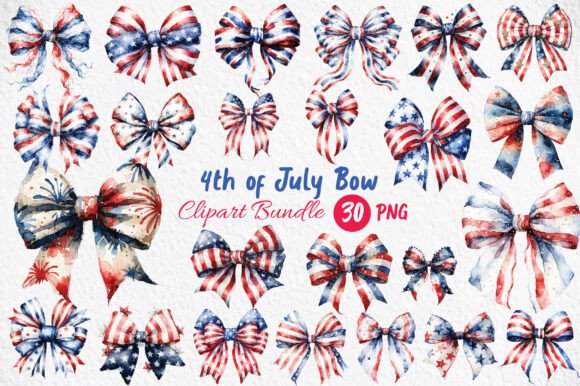
Understanding the nuances of digital assets is essential. When you purchase a bundle containing 30 PNG files at 300 DPI with transparent backgrounds, you are investing in versatility. Yet, without knowing how to properly integrate these elements, you may face issues with print quality, color accuracy, or licensing compliance. This guide addresses common pitfalls and provides actionable advice to ensure your patriotic designs stand out for all the right reasons.
The Critical Importance of Resolution and File Format
One of the most frequent mistakes beginners make is ignoring file specifications. You might find a cute bow graphic online, but if it is a low-resolution JPEG with a white background, it is virtually useless for professional applications. The description of your asset highlights "high resolution 300 DPI with transparent background." This is not just marketing jargon; it is the foundation of usability.
DPI (Dots Per Inch) determines the clarity of your image when printed. A standard screen displays images at 72 DPI, which looks fine on a phone but appears pixelated and blurry on a t-shirt or poster. By ensuring your 4th of July bow clipart is 300 DPI, you guarantee crisp edges and smooth gradients, whether you are printing a small sticker or a large wall art piece.
Furthermore, the transparent background is non-negotiable for layered designs. If you use an image with a white box around the bow, you will spend hours trying to erase the background in editing software, often resulting in jagged, unprofessional edges. PNG files preserve transparency, allowing the bow to sit seamlessly over photos, patterns, or solid colors. Always verify that the files you download are indeed PNGs before starting your design work.
Avoiding Color Discrepancies in Print Projects
A subtle but frustrating issue arises when what you see on your monitor does not match the final printed product. The note that "colors may vary slightly depending on monitor and printer settings" is a crucial disclaimer that many users ignore until it is too late.
Screens emit light (RGB color mode), while printers use ink (CMYK color mode). Bright, neon-like reds and blues on your screen often print darker or duller. If you are creating sublimation projects for mugs or tote bags, this shift can be significant. To mitigate this, consider calibrating your monitor or ordering a test print before committing to a large batch. Additionally, avoid using colors that are extremely close to pure black or pure white, as these can cause contrast issues in certain printing methods.
For those using these graphics for digital-only purposes, such as social media posts or website banners, RGB is ideal. However, if you are transitioning a design from digital to physical, always check the color profile settings in your design software. Adjusting saturation and brightness slightly downward can often yield a more accurate print result.
Licensing and Commercial Use Misunderstandings
Many entrepreneurs assume that purchasing a digital download grants them unlimited rights to use the artwork. This is a dangerous misconception. While the product description states these are "ideal for both personal use and small business creations," it is vital to read the specific license agreement included with your download.
Typically, "small business" usage allows you to incorporate the clipart into end products you sell, such as t-shirts, invitations, or planners. However, it rarely permits you to resell the clipart files themselves. For example, you cannot upload the raw PNG files to a stock photo site or include them in a digital template pack where the customer can extract the original bow image. Doing so violates intellectual property rights and can lead to legal consequences or account bans on platforms like Etsy or Amazon Merch.
To stay compliant, always ensure the clipart is part of a larger, unique design. Add text, other graphics, or background elements to create a new, derivative work. This not only protects you legally but also adds value to your product, distinguishing it from competitors who might be using the same base assets.
Maximizing Versatility Across Different Mediums
The true value of a comprehensive 4th of July bow clipart bundle lies in its adaptability. With 30 different designs, you have the resources to maintain brand consistency across various touchpoints. However, creators often fail to plan for scale and context.
- Sublimation and Apparel: Ensure your design software supports high-resolution imports. Place the bow strategically on mockups to check for distortion near seams or curves.
- Paper Crafts and Scrapbooking: These PNGs are perfect for planners and greeting cards. Use layering techniques by placing smaller bows behind text or larger bows as corner accents to create depth.
- Digital Branding: For social media posts, use the bows to frame key announcements or sales. Their transparent nature allows them to overlay video thumbnails or story backgrounds without obscuring important information.
When using these assets for Independence Day themed designs, consider the emotional tone. A bold, structured bow might suit a formal invitation, while a whimsical, hand-drawn style could better fit a children’s party decoration. Matching the style of the clipart to your target audience enhances communication and engagement.
Technical Workflow Tips for Efficiency
Efficiency is key when handling multiple files. Instead of opening each of the 30 PNGs individually to check them, organize your folder immediately after download. Create subfolders for different styles or color variations if applicable. This saves time when you are in the flow of creation and need a specific element quickly.
Additionally, learn to use clipping masks in software like Photoshop or Canva. This technique allows you to place the bow inside shapes or text, creating sophisticated effects without altering the original file. Since these are instant downloads, you have immediate access to start experimenting. Do not wait until the last minute to test how the files interact with your preferred design tools.
Remember, no physical item will be shipped. This means you are responsible for managing your digital library. Back up your files to cloud storage or an external drive. Losing access to your purchased assets due to a hard drive failure is a preventable tragedy that can halt your business operations.
Making the Right Choice for Your Project
Before finalizing your design, step back and evaluate. Does the bow complement the other elements, or does it overpower them? Is the resolution sufficient for the intended print size? Have you respected the licensing terms? By asking these questions, you move from being a passive consumer of digital goods to an active, professional creator.
High-quality 4th of July bow clipart is a powerful tool in your creative arsenal. It saves time, ensures visual consistency, and elevates the perceived value of your products. By avoiding common technical and legal pitfalls, you can focus on what matters most: creating memorable, patriotic designs that resonate with your audience. Whether you are a hobbyist making gifts for family or an entrepreneur building a holiday collection, attention to detail is what separates amateur efforts from professional successes.