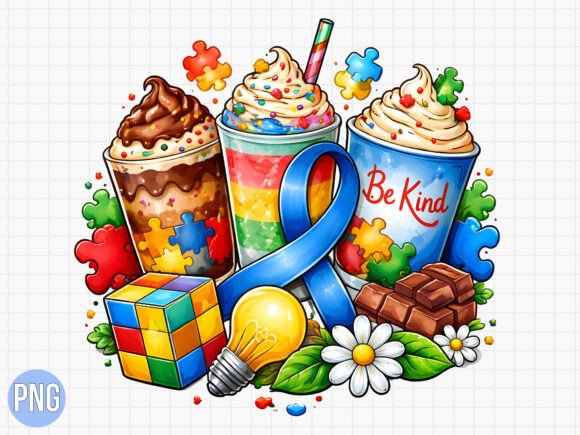
Coffee Cup Be Kind Puzzle Autism PNG: A Guide to High-Quality Digital Design
In the bustling world of Print on Demand (POD) and digital crafting, the difference between a product that sells and one that gathers dust often comes down to file quality and design relevance. The Coffee Cup Be Kind Puzzle Autism PNG has emerged as a meaningful asset for creators looking to combine aesthetic appeal with advocacy. This specific design merges the comforting imagery of a coffee cup with the symbolic puzzle piece associated with autism awareness, wrapped in a gentle reminder to "Be Kind." While the concept is powerful, executing it correctly requires more than just downloading a file. Many beginners and even seasoned entrepreneurs overlook critical technical details that can compromise their final products.
Understanding what you are actually buying is the first step toward professional results. This is not a physical item; it is a premium digital design file intended for creative projects. When you purchase this asset, you receive a ZIP file containing a high-resolution PNG. The value lies in its preparation: a 300 DPI (dots per inch) resolution with a transparent background. These specifications are not merely technical jargon; they are the foundation of print-ready quality. However, misconceptions about how to handle these files frequently lead to frustration, wasted materials, and poor customer reviews.
The Resolution Trap: Why 300 DPI Matters
One of the most common mistakes creators make is ignoring resolution requirements. In the digital realm, images often look crisp on a screen regardless of their actual pixel density. However, when you transfer that image to a physical product like a mug, t-shirt, or sticker, the limitations become glaringly obvious. A low-resolution image will appear pixelated, blurry, or amateurish when printed. This is where the Coffee Cup Be Kind Puzzle Autism PNG distinguishes itself. Provided at 300 DPI, it ensures that every edge of the puzzle piece and every curve of the coffee cup remains sharp and defined.
Many newcomers download free or low-cost graphics from unreliable sources, assuming they are print-ready. They then proceed to print these designs on expensive substrates, only to find the output is unusable. This error costs money in wasted inventory and damages brand reputation. To avoid this, always verify the DPI of your assets before starting a project. If you are using this specific design, you can rest assured that the resolution is optimized for high-quality printing. Always check your design software’s export settings as well; saving a 300 DPI file as a 72 DPI web image by accident will negate the benefits of the original high-quality source.
Misunderstanding Transparent Backgrounds
Another frequent oversight involves the transparent background. The PNG format supports transparency, which allows the design to sit seamlessly on any colored surface without an unsightly white box surrounding it. This is crucial for versatility. For instance, if you are printing this design on a navy blue t-shirt or a black tumbler, a non-transparent background would leave a visible rectangular outline, ruining the aesthetic. The Coffee Cup Be Kind Puzzle Autism PNG is prepared with this transparency, allowing for easy placement on various design canvases.
However, users often encounter issues when their software does not properly support or display transparency. Before purchasing, ensure your design program—whether it is Adobe Photoshop, Canva, Silhouette Studio, or Cricut Design Space—can handle PNG files with alpha channels. Some basic viewers may display a checkerboard pattern or a solid white background, leading users to believe the file is flawed. In reality, the transparency is intact and will function correctly during the printing process. Testing the file by placing it over a colored background in your software is a simple way to confirm its usability.
File Management and Extraction Errors
Digital downloads require a different workflow than physical goods. Upon purchase, you will receive a ZIP file. A significant number of users attempt to use the design directly from within the compressed folder or fail to extract the contents properly. This can lead to corrupted files or software errors when trying to import the image into design programs. The correct approach is to immediately unzip or extract the folder after downloading. This ensures that the PNG file is fully accessible and ready for use.
Furthermore, organizing your digital assets is a habit that pays dividends. Create a dedicated folder for your POD resources. Store the original, unedited PNG in a safe location as a master copy. Always work on a duplicate file when making adjustments. This prevents accidental degradation of the original high-quality asset. By maintaining an organized library, you save time and reduce the risk of using outdated or modified versions of your designs in future projects.
Choosing the Right Products for Your Design
While the Coffee Cup Be Kind Puzzle Autism PNG is versatile, not all products yield the same results. The design’s intricate details, such as the puzzle pieces and typography, require smooth surfaces for optimal clarity. Mugs, tumblers, and hard-shell phone cases are excellent choices because they provide a flat, consistent canvas for sublimation or vinyl application. T-shirts and apparel also work well, particularly when using direct-to-garment (DTG) printing or heat transfer vinyl (HTV).
Conversely, applying this design to textured or irregular surfaces may obscure fine details. For example, printing on a rough canvas tote bag might cause the smaller elements of the puzzle pattern to bleed or lose definition. Understanding the limitations of your chosen medium is essential. If you are new to POD, start with recommended items like mugs and stickers to gauge the quality of the print. As you gain experience, you can experiment with more challenging substrates. Always order a sample before listing a new product type in your store to ensure the design translates well to that specific material.
Ethical Considerations and Audience Connection
Beyond technical specs, the message of the design carries weight. "Be Kind" paired with autism awareness symbols appeals to a community that values empathy and inclusion. When using this design, it is important to approach marketing with sensitivity and respect. Avoid trivializing the message or using it solely for profit without acknowledging its significance. Authenticity resonates with consumers. Share the story behind why you chose this design, perhaps highlighting your support for neurodiversity or local autism organizations.
This approach builds trust and connects with your audience on a deeper level. It transforms a simple transaction into a meaningful interaction. Ensure that your product descriptions accurately reflect the design’s intent and quality. Mention the high-resolution nature of the file and the care taken in its creation. This transparency helps customers make informed decisions and reduces the likelihood of returns or dissatisfaction.
Final Checks Before You Launch
Before you upload your new product to your online store, perform a final quality audit. Zoom in on your mockup to check for any pixelation or alignment issues. Verify that the colors match your expectations, keeping in mind that screen displays vary from print outputs. If possible, create a physical proof. Holding the actual product in your hands provides insights that digital mockups cannot. Check the durability of the print and the overall finish.
By paying attention to these details, you elevate your brand from amateur to professional. The Coffee Cup Be Kind Puzzle Autism PNG is a powerful tool in your creative arsenal, but its potential is only realized through careful handling and thoughtful application. Avoid the common pitfalls of low-resolution usage, improper file management, and insensitive marketing. Instead, embrace best practices that prioritize quality, clarity, and respect. Your customers will notice the difference, and your business will thrive as a result of your commitment to excellence.